

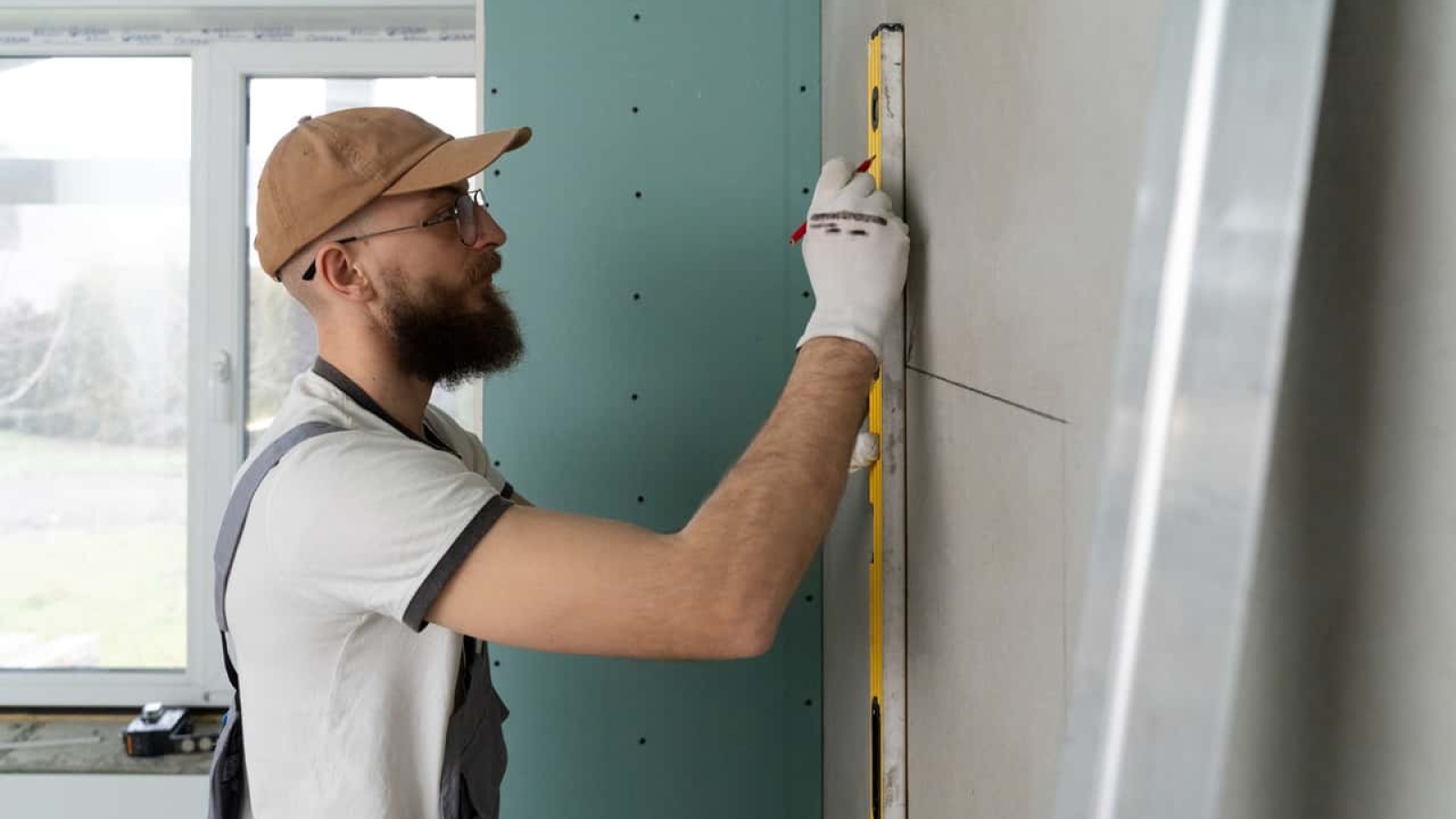
A door that suddenly becomes difficult to open, sticks against the frame, or refuses to close properly can be more than a small inconvenience. Sticking door repair Dubai homeowners may need can range from a simple hinge adjustment to correcting a swollen wooden door or a problem with the frame. Before replacing the entire door, it is worth identifying exactly where and why it is sticking, because the right fix depends on the cause.
Why Does a Door Start Sticking?
A door usually sticks because something has changed in the relationship between the door, hinges, frame, or floor. The problem may develop gradually or appear suddenly. If you want to fix a sticking door repair Dubai you should know these common causes.
Common causes include:
- Loose or damaged hinges
- A door that has swollen because of moisture
- A shifted or misaligned door frame
- Screws that have loosened over time
- Paint buildup around the edges
- A door rubbing against the floor
- A warped wooden door
- Changes in the building or frame alignment
The first step is therefore not to force the door shut. Instead, identify the exact point where the door is making contact.
Find Where the Door Is Rubbing
Open and close the door slowly and pay attention to where you feel resistance.
Look along the edges of the door and frame. You may notice that the door touches:
- The top corner
- The upper or lower hinge side
- The latch side
- The bottom edge
- One particular section of the frame
A simple way to identify the contact point is to close the door slowly while watching the gaps around it. A normal door should generally have a reasonably consistent gap between the door and frame.
You can also look for visible rubbing marks, chipped paint, scratches, or areas where the finish has become worn. These marks can show exactly where the door is making contact.
Finding the contact point first prevents you from making unnecessary adjustments.
Check the Door Hinges
Loose hinges are one of the first things worth checking when a door becomes difficult to close. To fix a sticking door repair dubai first check the door hinges carefully.
Over time, repeated opening and closing can loosen hinge screws. When a hinge moves out of its proper position, the door may sag slightly and stop lining up correctly with the frame or latch.
Start by checking whether the hinge plates are firmly attached to both the door and frame. If a screw is visibly loose, it may be possible to tighten it carefully with the appropriate screwdriver.
However, do not keep tightening a screw that simply spins without becoming secure. That can indicate that the screw is no longer gripping the material properly.
If the hinge itself is bent, damaged, or pulling away from the wood, the problem may require more than tightening a screw.
What If the Door Is Sagging? & How to Fix a sticking door repair Dubai?
A sagging door often becomes difficult to close because its position has shifted relative to the frame.
You may notice that the top corner of the door is closer to the frame than it should be, while the opposite side has a larger gap. The latch may also sit lower or higher than the opening in the frame.
Loose hinges are one possible reason. But if the hinges appear secure and the door continues to sag, there could be damage to the hinge mounting area, the frame, or the door itself.
Avoid repeatedly forcing the door into position. Doing so can place additional pressure on the hinges and frame and potentially make the problem worse.
Moisture Can Make Wooden Doors Swell
Wood naturally responds to changes in moisture. When a wooden door absorbs moisture, it can expand enough to begin rubbing against its frame.
This can be particularly noticeable around bathrooms, kitchens, laundry areas, or other locations where humidity and moisture are common.
A swollen door may initially close normally but become harder to operate during periods of higher humidity. If the problem appears to change with the weather or indoor moisture levels, swelling may be contributing to the issue.
Do not immediately remove large amounts of wood from the door. If the moisture problem is temporary, excessive trimming could leave the door with an unnecessarily large gap later.
If the door remains swollen or the surrounding area has a persistent moisture problem, the underlying cause should be addressed as well.
Check for Paint Buildup
Several layers of paint around a door can gradually reduce the clearance between the door and frame.
This is particularly common with older wooden doors that have been painted repeatedly. You may notice that the door catches along one edge rather than across the entire frame.
Look carefully at the areas where the door is rubbing. If you can see thick or uneven paint buildup, that may be contributing to the problem.
Removing paint from a door should be done carefully. Aggressive sanding or scraping can damage the underlying wood or finish, so the method should depend on the type of paint, the door material, and the condition of the existing finish.
What If the Door Scrapes the Floor?
Sometimes the problem is not the frame at all. The bottom of the door may be rubbing against the floor or threshold.
You may hear a scraping sound whenever the door moves, or you may see a worn mark along the bottom edge.
Before trimming the door, check why it has started rubbing. A door can move slightly because of loose hinges, changes in the frame, flooring changes, or other alignment issues.
Simply cutting the bottom of the door may hide the symptom without solving the underlying problem.
If the door has recently been installed or the floor has recently been changed, the clearance between the door and floor should be checked carefully.
Can You Fix a Sticking Door In Dubai Yourself?
Some minor problems can be handled with basic tools if you are comfortable carrying out small household repairs.
For example, you may be able to:
- Inspect the hinges.
- Tighten an accessible loose hinge screw.
- Remove objects blocking the door or frame.
- Check whether the latch is aligned.
- Look for obvious rubbing or paint buildup.
- Observe whether moisture appears to be affecting the door.
The important point is to make small adjustments rather than immediately cutting, drilling, or sanding the door.
If you are unsure why the door is sticking, stop before making permanent changes. A small mistake in alignment can create a larger gap, damage the finish, or make the door harder to secure.
What If the Door Won’t Latch?
A door can appear to close but still fail to latch properly.
The latch needs to line up with the opening in the strike plate on the frame. If the door has shifted slightly, the latch may hit the edge of the plate rather than entering the opening.
You can check the alignment by slowly closing the door and observing where the latch meets the frame.
If the latch is only slightly misaligned, the problem may be related to hinge movement or a small change in the door’s position. If the frame itself has shifted or the door is significantly out of alignment, a more careful repair may be necessary.
Do not rely on excessive force to make a misaligned door latch. A properly aligned door should close and latch without needing to be slammed.
When Should You Avoid Trimming the Door?
Trimming a sticking door may sometimes be part of a proper repair, but it should not be the first solution in every situation.
Avoid removing material simply because the door is currently rubbing. First determine whether the problem is caused by:
- Loose hinges
- A damaged hinge
- Moisture-related swelling
- Frame movement
- Poor alignment
- Paint buildup
- Flooring changes
Removing too much material can permanently alter the door and leave an unnecessarily large gap.
If the door is valuable, made from solid wood, has decorative details, or forms part of an important interior design, professional assessment can help prevent unnecessary damage.
Signs the Door Needs Professional Repair Dubai
Some sticking doors have an obvious and simple cause. Others indicate a larger carpentry or alignment issue.
Consider professional help if:
- The door is severely warped.
- The frame appears damaged or out of square.
- Hinges are pulling away from the wood.
- Screws will not hold properly.
- The door has significant swelling or moisture damage.
- The door scrapes heavily against the floor.
- The latch and strike plate are substantially misaligned.
- The door is difficult to open as well as close.
- Several doors in the same area have suddenly developed alignment problems.
- You have already tried basic adjustments without success.
A professional can inspect the complete door assembly rather than treating only the point where the door currently sticks.
For homeowners who need help with door adjustments, repairs, or other woodwork around the property, carpentry services in Dubai can be a suitable option when the problem requires more than a simple adjustment.
How to Prevent Doors From Sticking
Regularly checking your doors can help you notice small problems before they become difficult to fix.
Keep an eye on:
- Loose hinge screws
- Changes in the gap around the door
- New rubbing marks
- Difficulty turning the handle
- Changes in how the latch closes
- Signs of moisture or swelling
- Cracks around the frame
Avoid slamming doors repeatedly, especially if the hinges or frame already show signs of looseness. Excessive force can gradually affect the hardware and mounting points.
For wooden doors in areas exposed to moisture, keeping the surrounding environment reasonably dry can also help reduce moisture-related movement.
Frequently Asked Questions
Why is my wooden door suddenly sticking? how to fix a sticking door repair Dubai?
A wooden door may suddenly stick because of moisture-related swelling, loose hinges, changes in the frame, or another alignment issue. Look for rubbing marks and identify exactly where the door is contacting the frame before attempting a repair.
Should I sand a door that is sticking?
Sanding may help in some situations, but it should not be the first step. First determine why the door is rubbing. If loose hinges or frame alignment are responsible, sanding the door could remove material unnecessarily.
Why does my door close but not latch?
The latch may no longer line up correctly with the strike plate. This can happen when the door shifts because of loose hinges, frame movement, or other alignment changes.
Can humidity make a door difficult to close?
Yes. Wooden doors can absorb moisture and expand, reducing the clearance between the door and frame. If the problem becomes more noticeable during humid conditions, moisture may be contributing to the issue.
Is a sticking door in Dubai a serious problem?
Not always. A loose screw or minor alignment issue can be relatively simple to correct. However, severe warping, damaged hinges, frame movement, or persistent moisture problems should be inspected before the damage becomes more extensive.
Final Thoughts
A door that sticks or refuses to close properly does not necessarily need to be replaced. In many cases, the problem comes from something that has changed over time, such as a loose hinge, moisture-related swelling, paint buildup, or a small alignment issue.
Start by identifying exactly where the door is rubbing and inspect the hinges, frame, latch, and floor clearance. Simple problems may be possible to correct with basic adjustments, but avoid cutting or sanding the door until you understand the cause.
If the door is badly misaligned, warped, damaged, or repeatedly develops the same problem, professional carpentry assistance can help identify the underlying issue and make the repair without causing unnecessary damage.