

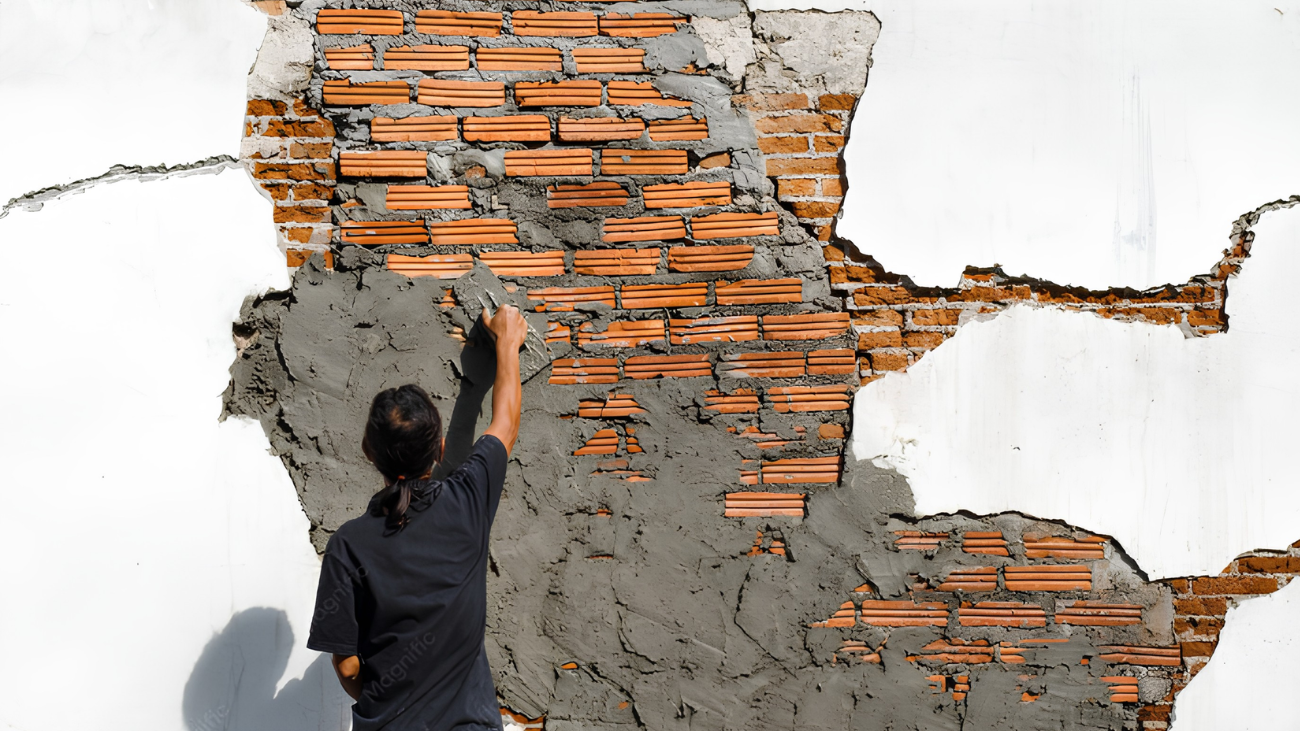
A crack in a wall may appear to be a small cosmetic issue, but its meaning depends on its size, location, pattern, and surrounding conditions. Some cracks develop because of normal material movement or minor surface shrinkage. Others may indicate moisture problems, poor repairs, or a more serious structural concern.
In Dubai properties, walls may be exposed to temperature changes, construction activity, moisture, and general building movement. This does not mean every crack is dangerous, but it does mean that cracks should not be ignored without understanding their cause.
This guide explains common wall-crack types, possible causes, practical repair approaches, and when professional masonry services in Dubai may be required.
Why Do Walls Develop Cracks?
Walls can crack for several reasons. A correct diagnosis is important because repairing the visible line without addressing the underlying cause may lead to the crack returning.
Common causes include:
- Normal shrinkage of plaster or finishing materials.
- Temperature-related expansion and contraction.
- Minor settlement or movement.
- Moisture penetration.
- Poor surface preparation.
- Incompatible repair materials.
- Structural movement.
- Damage around doors, windows, or building joints.
The appearance of a crack alone cannot confirm whether it is structural. A qualified professional should assess concerning or recurring cracks.
1. Different Types of Wall Cracks
Hairline Cracks
Hairline cracks are thin surface-level lines that may develop in plaster, paint, or finishing materials.
They can result from shrinkage, drying, or minor movement. However, the location and progression matter. A professional should assess cracks that continue growing, return after repair, or appear alongside other signs of damage.
Vertical Cracks
Vertical cracks may occur because of material movement, settlement, or other conditions. Their significance depends on their width, location, length, and whether they change over time.
Do not assume that every vertical crack is harmless or that every vertical crack indicates a structural problem.
Horizontal Cracks
Horizontal cracks deserve careful attention, especially when they appear in foundation walls, retaining walls, or areas exposed to pressure. Their cause cannot be determined from direction alone.
If a horizontal crack is wide, expanding, accompanied by bulging, or located in a potentially load-bearing area, arrange a professional inspection.
Stair-Step Cracks
Stair-step cracks often follow mortar joints in brick or blockwork. They may be associated with movement, settlement, or other masonry-related conditions.
The seriousness depends on the crack’s pattern, width, location, and surrounding damage. A qualified professional should inspect persistent or significant cracks.
2. How Dubai’s Environment Can Affect Masonry
Environmental conditions can contribute to maintenance challenges, but the exact cause of a crack must be assessed at the property.
Temperature Changes
Building materials expand and contract as temperatures change. Repeated movement may contribute to cracking in certain materials or poorly detailed areas.
Moisture and Water Leakage
Water infiltration can damage finishes, affect mortar, and contribute to deterioration over time. Water stains, peeling paint, dampness, or recurring cracks should be investigated rather than covered with fresh paint.
Construction and Renovation Work
Drilling, demolition, structural changes, or nearby construction can create vibration or damage. If cracking begins after renovation work, document the location and timing and seek an appropriate assessment.
3. How to Check a Wall Crack Safely
You do not need to start repairing a crack immediately. First, record what you can observe.
Step 1: Photograph the Crack
Take clear photographs from different distances. Include a reference for approximate size, but do not press tools into the crack or attempt to widen it.
Step 2: Record Its Location
Note whether the crack is:
- On an internal or external wall.
- Near a door or window.
- Around a ceiling or floor junction.
- Along a brick or blockwork joint.
- In an area affected by moisture.
Step 3: Monitor Changes
Record whether the crack appears to be increasing, returning, or developing additional branches.
Monitoring alone is not a substitute for inspection if the crack appears significant or is accompanied by other warning signs.
Step 4: Look for Additional Symptoms
Pay attention to:
- Bulging walls.
- Water leakage.
- Loose masonry.
- Large or widening cracks.
- Doors or windows that suddenly become difficult to operate.
- Cracks that appear alongside visible movement or damage.
These signs justify prompt professional assessment.
4. Common Masonry Repair Approaches
The repair method depends on the material, cause, and severity of the problem.
Surface Crack Repair
For suitable non-structural cracks, a professional may remove loose material, prepare the surface, apply a compatible repair compound, and finish the area.
Simply applying paint over a crack is unlikely to provide a lasting repair if the underlying movement continues.
Mortar Joint Repair
Damaged mortar joints may require localised repair or repointing. The replacement material should be compatible with the existing masonry.
Incorrectly selected mortar can cause additional problems, so material selection should be handled carefully.
Brick or Block Replacement
If individual bricks or blocks are damaged, replacement may be appropriate. The surrounding area should be assessed to determine why the damage occurred.
Water Damage Repair
If moisture is contributing to masonry deterioration, the water source should be identified and addressed before final surface restoration.
This may involve coordination with plumbing, waterproofing, or other maintenance specialists.
Structural Assessment
Cracks that may involve structural movement require assessment by an appropriately qualified professional. Routine patching should not be used as a substitute for structural investigation.
5. When Should You Contact Masonry Services in Dubai?
Professional masonry services in Dubai may be useful for wall construction, brickwork, concrete-related repairs, mortar work, and other masonry requirements.
Contact a qualified provider when:
- Cracks continue to return after repair.
- The wall shows loose or damaged masonry.
- There are signs of water penetration.
- A crack is wide, growing, or accompanied by movement.
- You need brick, block, or mortar repairs.
- You are planning wall construction or renovation.
- The damage extends beyond a simple paint or plaster issue.
For possible structural problems, make sure the person conducting the assessment has the appropriate qualifications and authority for the work required.
Top1Dubai’s masonry service information covers work involving concrete, bricks, stones, wall construction, foundation-related repair, and residential or commercial properties. The exact repair approach should be determined after assessing the property.
6. How to Prevent Recurring Wall Damage
Although not every crack can be prevented, regular maintenance can help identify issues early.
Inspect Walls Periodically
Check walls during routine property maintenance, particularly around windows, doors, wet areas, and external surfaces.
Address Water Leaks Quickly
Water damage can worsen when left untreated. Investigate recurring stains, peeling paint, or damp areas.
Avoid Unplanned Structural Changes
Before removing walls or making significant alterations, obtain the required professional advice and approvals.
Use Compatible Repair Materials
Repair products should be selected according to the existing wall material and the cause of the damage.
Do Not Hide Recurring Cracks
A fresh coat of paint may improve the appearance temporarily, but it will not resolve an underlying problem.
Conclusion
A cracked wall should be assessed according to its appearance, location, progression, and surrounding conditions. While some cracks are minor, others require professional investigation and appropriate repair.
Avoid treating every crack with the same method. Identifying the cause first can help prevent repeated repairs and unnecessary costs. For masonry-related work in Dubai, choose a provider that can explain the repair process and identify when specialist assessment is necessary.