

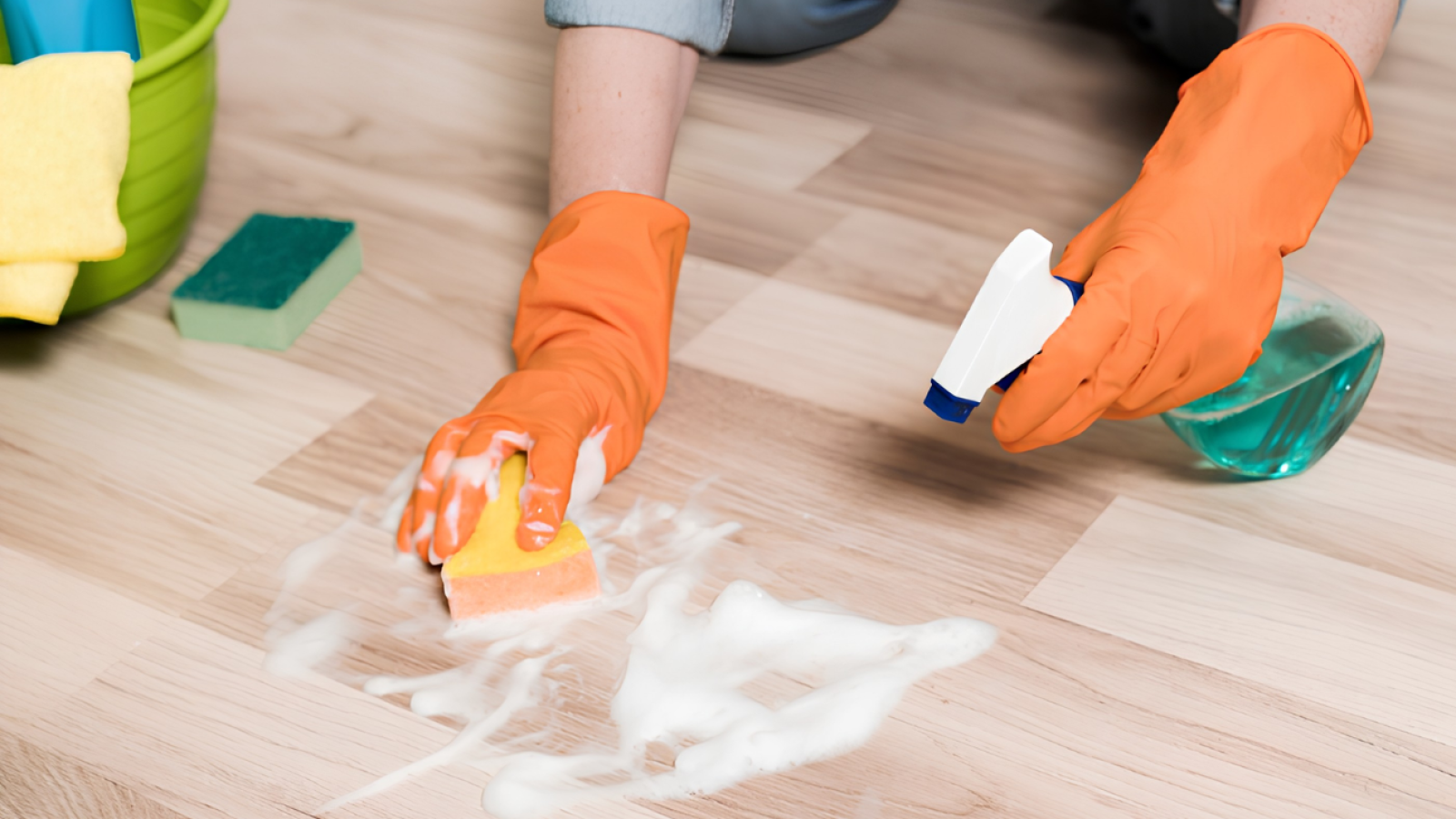
Clean floors can make an entire home feel brighter, healthier, and more comfortable. However, removing tough floor stains is not always as simple as using a stronger cleaning product. Different flooring materials react differently to moisture, chemicals, friction, and heat.
In Dubai homes, floors can be exposed to dust, sand, spills, foot traffic, and mineral deposits from water. Over time, these factors may leave behind dull patches, discolouration, dirty grout, or stubborn marks that regular mopping cannot remove.
The right solution depends on the type of stain and the flooring material. This guide explains how to approach common floor stains safely, what mistakes to avoid, and when floor cleaning services in Dubai may be a practical option.
Why Do Floor Stains Become Difficult to Remove?
Some stains remain on the surface, while others penetrate porous materials or react with the flooring finish. Understanding the cause helps you select a suitable cleaning method.
Common reasons include:
- Spills that are not cleaned quickly.
- Dust and sand being walked across the floor.
- Oil and grease accumulating in kitchens.
- Hard-water deposits around bathrooms and wet areas.
- Dirt collecting inside grout lines.
- Incorrect cleaning products damaging the surface.
- Lack of regular deep cleaning.
A stain that appears to be dirt may actually be etching, surface damage, or a build-up of cleaning residue. This is especially important when dealing with marble and other natural stone floors.
1. Identify Your Flooring Material First
Before treating a tough stain, identify what type of floor you have. A product that works on ceramic tiles may not be appropriate for marble, wood, or another sensitive surface.
Marble and Natural Stone
Marble is attractive but requires careful maintenance. Acidic products, including vinegar and some bathroom cleaners, can damage its surface and create dull patches known as etching.
For everyday cleaning:
- Remove loose dust and grit using a soft microfiber mop.
- Use a cleaner specifically labelled as safe for natural stone.
- Avoid abrasive pads and harsh chemicals.
- Blot spills quickly instead of rubbing them across the surface.
- Contact a professional when stains are deep or the surface has become dull.
Ceramic and Porcelain Tiles
Ceramic and porcelain tiles are generally easier to maintain, but the grout between tiles can hold dirt and stains. A suitable tile cleaner and soft brush may help remove surface dirt.
Avoid using excessive chemical quantities. More cleaning product does not necessarily mean better results and may leave residue behind.
Wooden and Laminate Floors
Wood and laminate flooring need controlled moisture. Excess water can damage certain surfaces, cause swelling, or affect the finish.
Use products recommended for the specific floor type, avoid soaking the floor, and follow the manufacturer’s care instructions.
2. How to Deal With Common Floor Stains
Coffee and Tea Stains
Coffee and tea can leave visible marks, especially on light-coloured floors. Start by blotting the spill with a clean cloth.
For a washable, non-sensitive surface:
- Remove the excess liquid.
- Use a suitable material-safe cleaner.
- Wipe gently without excessive scrubbing.
- Rinse according to the cleaner’s instructions.
- Dry the area thoroughly.
On marble or natural stone, avoid experimenting with acidic or abrasive household solutions. If the stain remains, professional assessment may be safer.
Oil and Grease
Oil can spread across a floor and attract dust. Begin by absorbing the excess oil rather than spreading it further.
The appropriate cleaning product depends on the flooring material. Test any product in an inconspicuous area first and follow its instructions.
Kitchen floors may require more frequent cleaning because grease can accumulate near cooking areas.
Hard-Water Marks
White or cloudy deposits around bathrooms and taps may be related to mineral build-up. However, using an acidic limescale remover on marble can cause permanent surface damage.
For natural stone, use a stone-safe cleaning approach. If the deposits have bonded to the surface or the floor has become dull, a specialist may need to assess whether cleaning, honing, or polishing is appropriate.
Dirty Grout Lines
Grout can become dark because of dirt, moisture, and repeated foot traffic. A soft grout brush and suitable cleaner may help with surface-level dirt.
Avoid aggressive scrubbing that can damage grout or surrounding flooring. Persistent discolouration may require professional treatment.
3. Cleaning Mistakes That Can Damage Your Floors
Many homeowners unintentionally make stains worse while trying to remove them.
Using the Wrong Chemical
A powerful cleaner is not automatically suitable for every surface. Marble, wood, tile, and vinyl require different care methods.
Always check the product label and use a material-appropriate cleaner.
Scrubbing Too Hard
Hard brushes and abrasive pads can scratch finishes and spread damage. Begin with the gentlest method that is suitable for the flooring.
Leaving Water on the Floor
Standing water can affect certain flooring materials and leave mineral deposits as it dries. Use controlled moisture and dry the surface when recommended.
Ignoring Small Spills
Fresh spills are generally easier to manage than old, dried stains. Clean them promptly using a safe method rather than allowing them to become embedded in the surface.
4. When Should You Consider Professional Floor Cleaning?
Regular household cleaning is useful for maintenance, but some problems need specialised equipment or experience.
Consider professional floor cleaning services in Dubai when:
- Stains remain after safe cleaning.
- Marble has developed dull or etched patches.
- Grout has heavy dirt accumulation.
- Floors require polishing or restoration.
- A large property needs consistent deep cleaning.
- You are unsure which cleaning products are suitable.
- The floor has been affected by renovation dust or construction residue.
A professional should first identify the flooring material and assess the condition before choosing a treatment method.
Top1Dubai provides floor cleaning services for different floor types, including marble, tile, granite, and wood. The appropriate service should depend on the floor’s condition and cleaning requirements.
5. How to Prevent Tough Floor Stains
Prevention can reduce the need for intensive cleaning.
Use Entrance Mats
Mats help reduce the amount of dust and sand carried indoors. This is particularly useful in high-traffic entrances.
Clean Dust Regularly
Remove loose dust before wet mopping. Fine particles can create friction when walked across certain polished surfaces.
Clean Spills Quickly
Keep a clean, soft cloth available for accidental spills. Avoid rubbing stains across the floor.
Follow a Suitable Cleaning Schedule
High-traffic areas may require more frequent cleaning than rooms used occasionally. Your schedule should consider the flooring material, household activity, and level of dirt.
Arrange Periodic Deep Cleaning
Professional cleaning may help maintain floors that receive heavy traffic or have accumulated difficult-to-remove dirt.
Conclusion
Removing tough floor stains requires more than choosing a strong cleaning product. The correct method depends on the flooring material, the cause of the stain, and the condition of the surface.
Regular dust removal, prompt spill cleaning, suitable products, and professional treatment when necessary can help maintain your floors for longer. If your home needs deeper treatment, Top1Dubai can help you explore suitable floor cleaning solutions in Dubai.